Breckenridge's First Summer Under the Dark Sky Rules, Explained
July 23, 2026
July 23, 2026
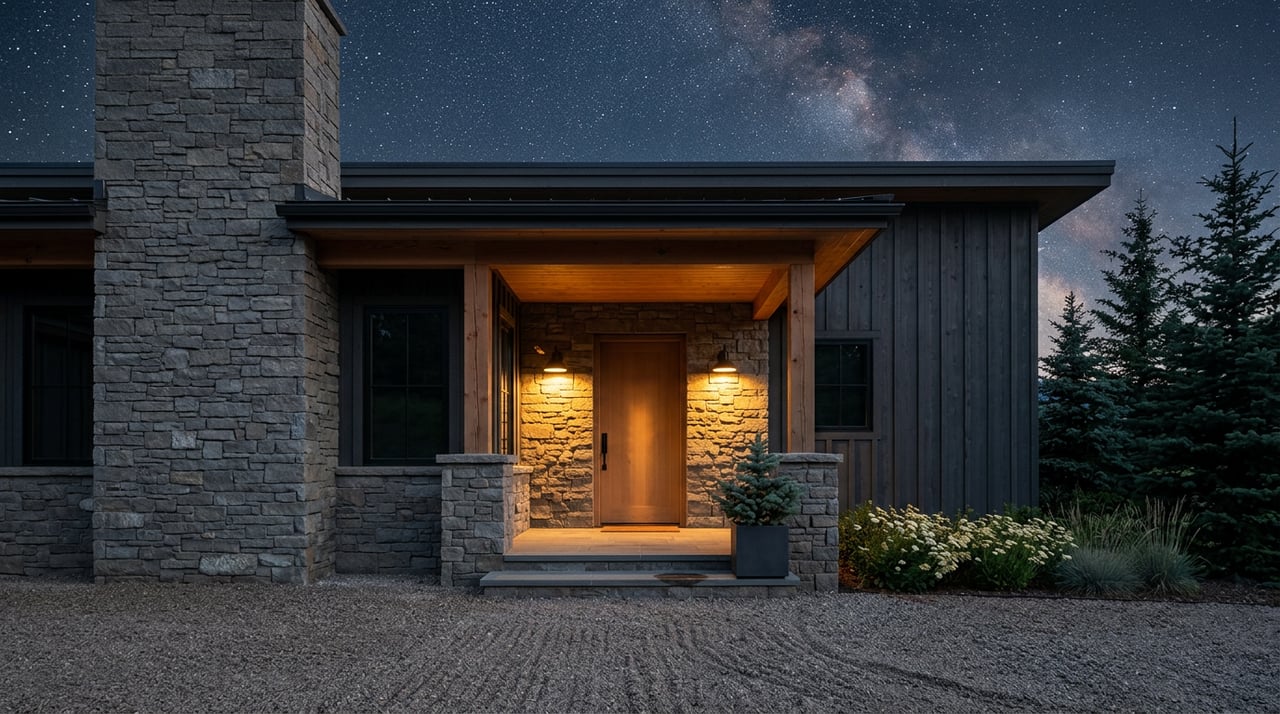
A year ago the Dark Sky designation was a press release. This July it is a light fixture on your neighbor's garage, a letter from Town Hall, and a Wednesday night AstroTour that assumes the ridge above your house will actually go black at 9:45 p.m. The chore and the calendar are the same story, and 2026 is the summer they finally arrived in the same envelope.
That envelope has a deadline stamped on it. The compliance grace period ended January 2, and enforcement is the news you did not want but should read anyway before hosting anyone on a deck this August.
Breckenridge's exterior lighting rules are not new. The town passed its first lighting ordinance in 2007, and every new build since has been designed to the same standards now attached to the DarkSky Community certification. What changed in 2025 was that existing properties lost their exemption.
The specifics matter because they are what an inspector or an HOA board is checking against:
The design instinct behind those three lines is captured better by Assistant Town Manager Julia Puester's own phrasing, reported by CBS Colorado around the certification: lights should be where people are, not glowing up into the sky.
The town has not been quiet about the runway. Since the designation last August, staff have sent letters, attended HOA meetings, and set up a dedicated hotline and email for lighting questions. The compliance picture as of early July 2026, reported by KUNC on July 9, looks like this:
| Metric | Figure |
|---|---|
| Properties compliant | ~85% |
| Homes and businesses updated | ~2,400 |
| Properties still non-compliant | 350+ |
| Streetlights retrofitted by the town | 900+ |
| Town spending on the program (2023–2027) | $3.6 million |
| Fines expected to begin | Later summer 2026 |
The gap worth noticing is between 85% and 100%. That is not a rounding error. It is roughly 350 buildings, most of them older, many of them commercial storefronts on Main Street and Ski Hill Road, some of them second homes whose owners have not been in town since the compliance clock started ticking. If you own one of those, the letter is real and the fines are not theoretical.
There is a residential upside to owning one of the 2,400 that is already handled. The retrofits are typically warmer, lower, and better-aimed than what was on the wall before, and the amber cast at 3000K is the reason a walk down Main Street in July no longer feels lit like a suburban parking lot.
DarkSky International's own place page for Breckenridge singles out three viewing locations inside town limits. Each one solves a different problem for a resident who does not want to drive to Hoosier Pass to look up.
Sawmill Museum. The easiest of the three. Parking is right there, the horizon opens west, and light interference from the neighborhood is minimal because the site sits below the ridge. Bring a folding chair and a red-filter flashlight.
Gold Run Nordic Center. The widest sky of the three, because the meadows that groom into cross-country trails in February are open pasture in July. Good for constellation work and for anyone with a telescope that needs a level setup.
Summit of Discovery Hill. The workout option. You earn the horizon by walking up, and the payoff is a 360-degree view that neither of the other two offers. Best for the Perseids in mid-August, when the radiant sits high and you want to see meteors coming from any direction.
Serious astrophotographers keep going to Boreas Pass Road, which is where BreckCreate runs its summer astrophotography class under a sky that is functionally black from the second the sun clears the ridge.
The programming stacks in a way it did not two summers ago, because the designation gave the concert series, the arts district, and the lodges permission to build around the sky rather than around it.
The pattern under those five is worth naming out loud. Programming used to sit inside a festival weekend and disappear when the festival ended. This summer the after-dark calendar is closer to a standing weekly rhythm from mid-June through the shoulder into September.
The first-ever Breckenridge Wildflower Week ran July 2 through 12, an 11-day debut built around peak alpine bloom with guided hikes hosted by Breckenridge Open Space and Trails, plein-air painting in alpine gardens, botanical-inspired workshops, and kid-friendly craft programming.
Read the two calendars together and the sustainability thread stops looking like marketing. The same open-space network that supports pollinator corridors during Wildflower Week is the same one that carries AstroTour groups after dark. The Audubon-certified Breckenridge Golf Course is expanding pollinator habitat and installing public-facing bee hives while, three miles away, the town is finishing streetlight retrofits so that habitat is not lit at night. It is one program running in daylight and after dark, and residents are the ones who benefit twice.
Three things are worth doing before September.
Walk your own property at 10 p.m. with the interior lights off. If any exterior fixture is casting light sideways, upward, or into a neighbor's window, that is the one to swap first. The most common non-compliant fixture in older Breckenridge homes is the wall-mount lantern with clear glass on all four sides, which throws roughly as much light up as down.
Put one of the AstroTour dates on your July or August calendar rather than saving it for a guest visit. Residents who have done one report the 20-minute dark-adaptation window as the moment the sky "turns on," and it happens whether you are hosting anyone or not.
Check the Wildflower Week and Dark Sky event listings on the town's community calendar rather than on any single festival site. The free guided hikes tied to celestial events are the programming that gets missed because it does not have a marquee weekend attached.
The larger point is that 2026 is not the summer Breckenridge became a Dark Sky town. It is the summer the designation stopped being aspirational and started shaping fixture choices, HOA agendas, concert programming, and where you stand at 10:15 p.m. in July to see the sky the ordinance was written to protect.
If your property is one of the 350 still on the non-compliant list, or if you are thinking about a Breckenridge home and want to understand what the lighting standards mean for a build, remodel, or short-term rental setup, the team at Reside In Summit works through these questions with owners every week. Reach out for a free home valuation and a conversation about how the current standards affect your property's readiness for the market.

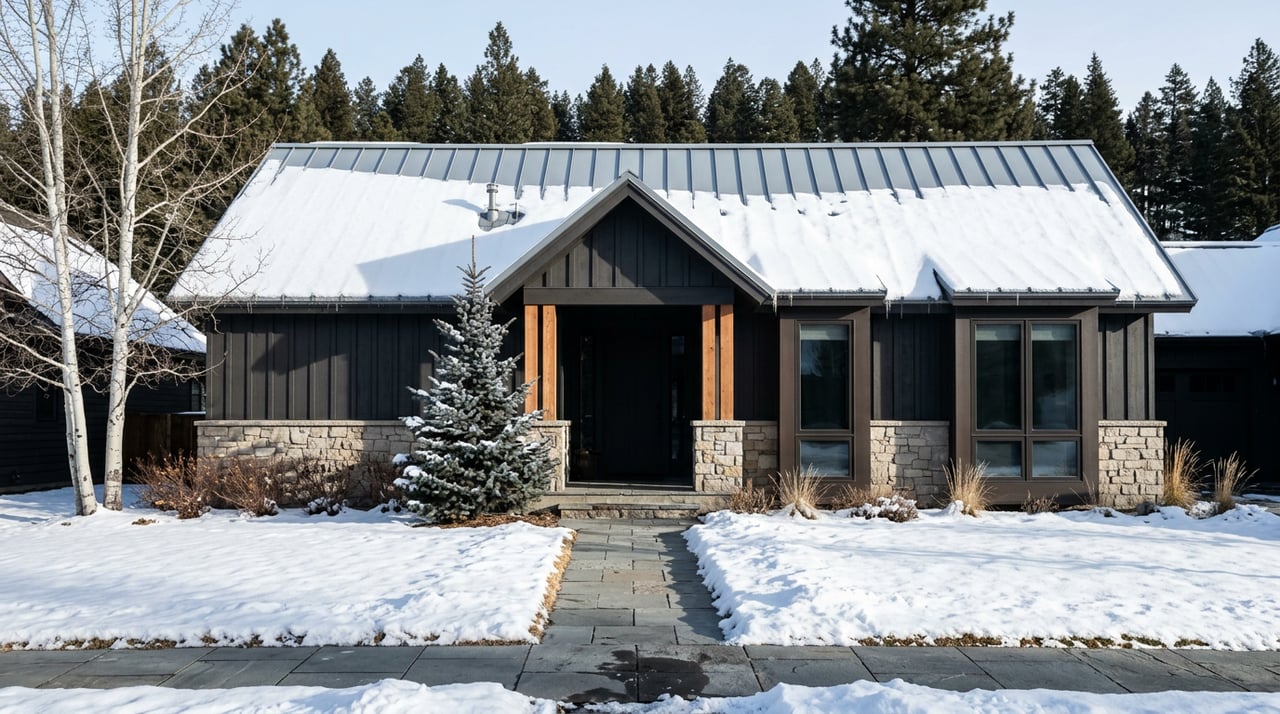
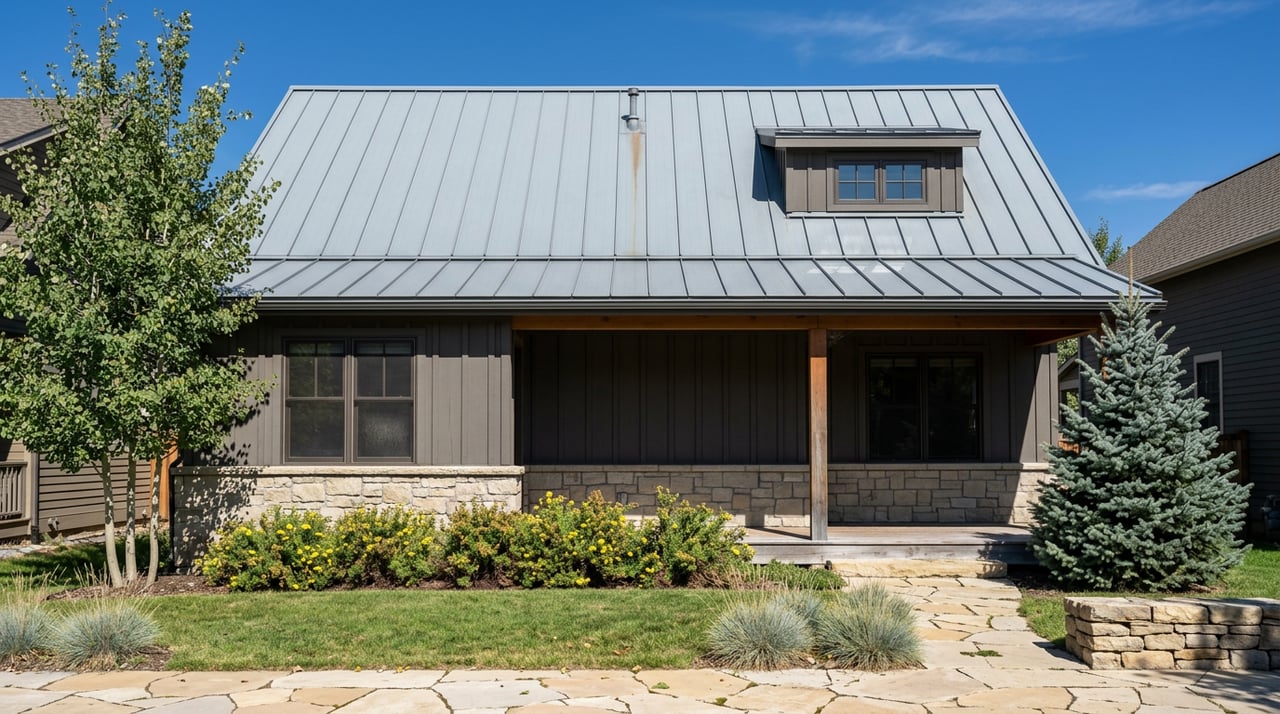
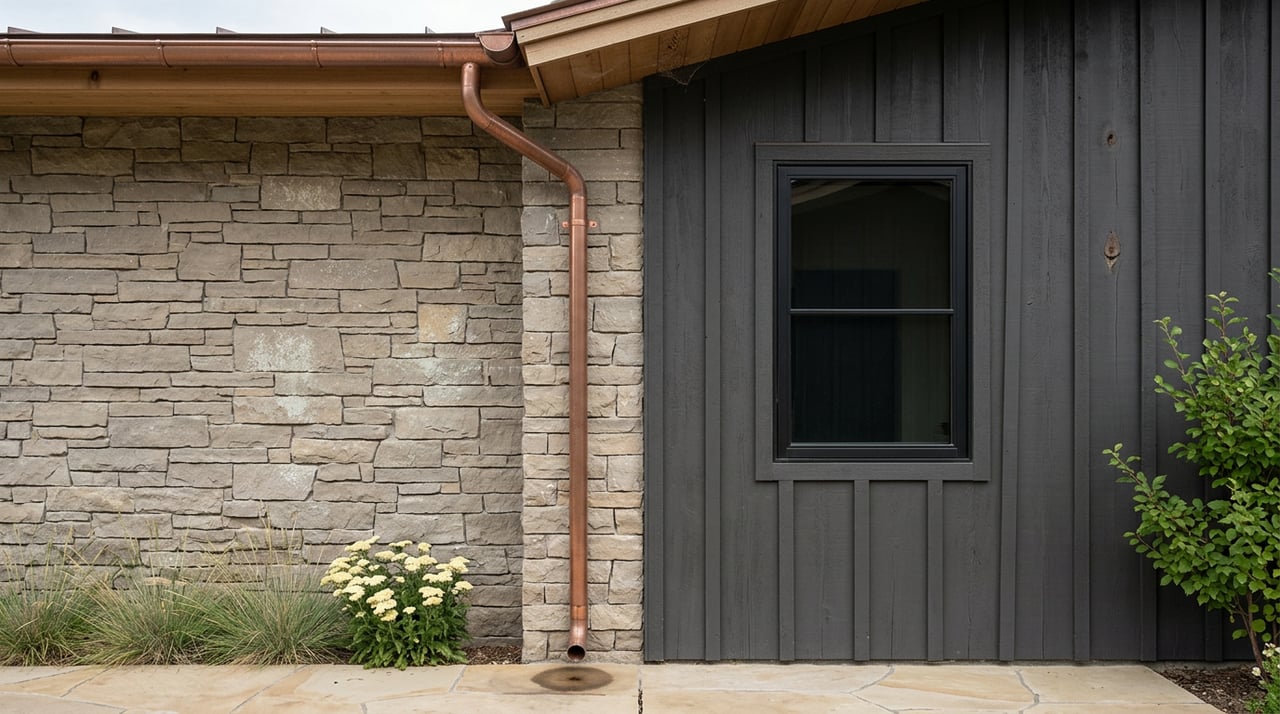
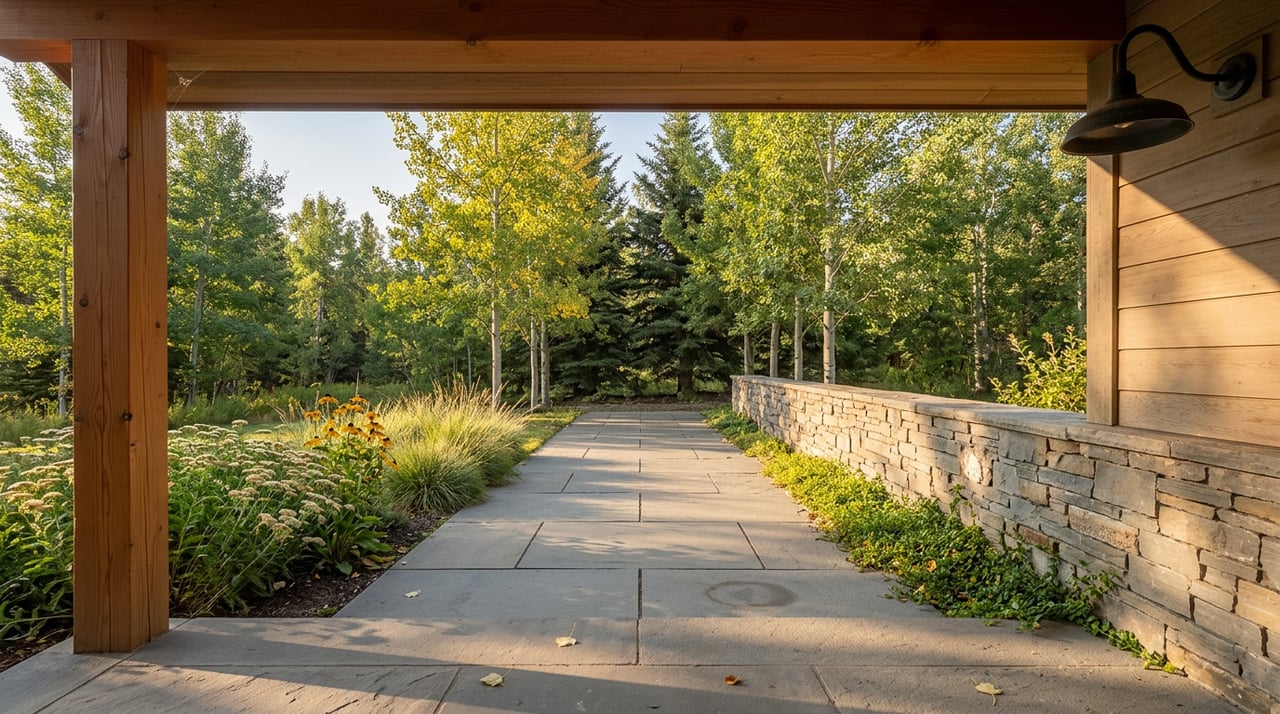

These single-family residences are situated on anywhere from 0.14 to 0.43 acres.
If you are looking for a dedicated broker who will not only put your needs first but will work hard to exceed your every expectation, give Krystal a call. She and her unmatched team of professionals are eager to show you that there is no better choice in Summit County to buy or sell your home.