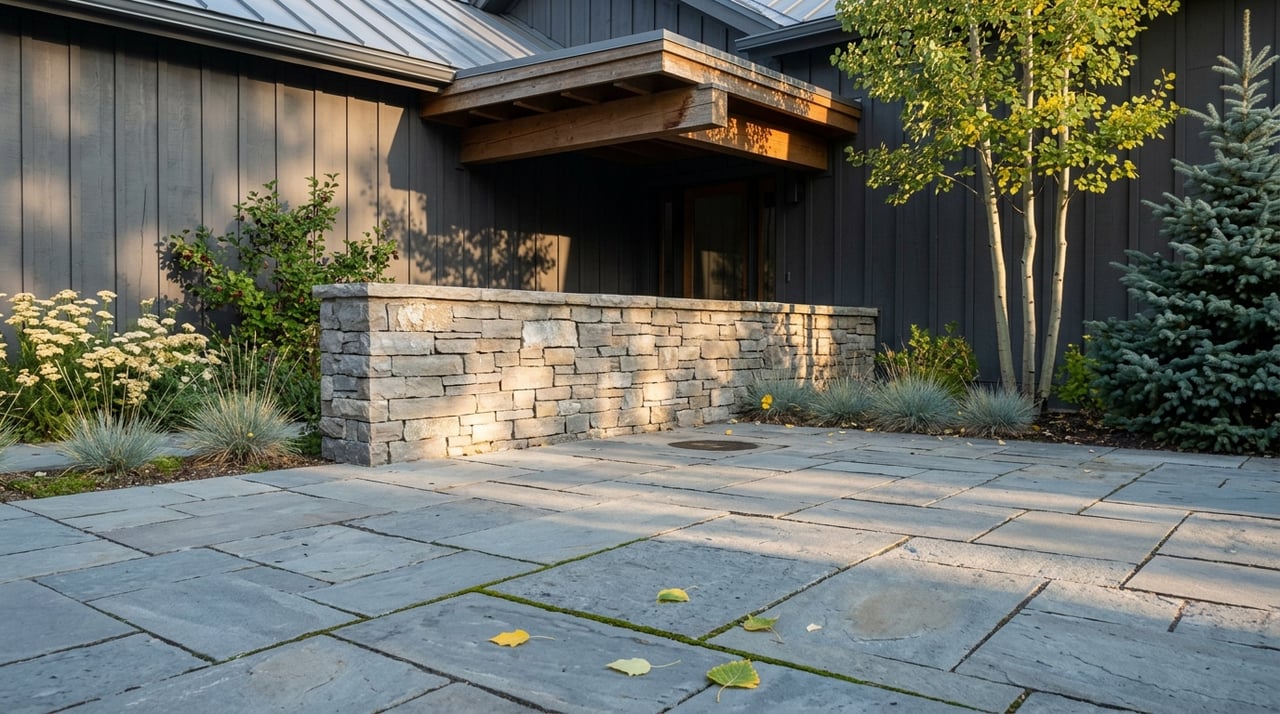
What Frisco's 2026 Price Averages Are Actually Measuring
August 27, 2026
August 27, 2026
Every Frisco listing hands you two numbers before you have set foot inside: the asking price and the monthly dues. For most of the last decade, only the first one decided whether a deal came together. Which number is doing the work now?
The answer has flipped, and it explains a set of Frisco outcomes that look contradictory on a portal. Average prices in the attached market are climbing. Attached properties are also sitting longer and drawing softer offers. Both things are true at once because the price line and the ownership-cost line have come apart. The price line is being set by a small number of brand-new downtown buildings. What determines whether a particular resale condo trades at all is its master insurance policy, its reserve position, and its dues.
In a Frisco attached-property transaction, the most consequential paperwork is not the inspection report. It is the association package: the master policy declarations, the deductible, the reserve study, the budget, and the last two years of meeting minutes.
Colorado's insurance market is the reason. A consultant report by the actuarial firm Lewis & Ellis, commissioned for the state, found association premiums have more than doubled in some areas and described significant upheaval in the market, with some carriers exiting entirely or sharply reducing the number of communities they will insure. That pressure lands on owners in three places: the monthly dues, the master policy deductible, and the special assessment that follows a claim.
Here is the piece almost no general condo guide covers. Many owners buy loss assessment coverage on their individual HO-6 policy specifically to absorb their share of an association's deductible. A KRDO investigation in March 2026 found that some policies now carry a special limit clause capping that payout at a fraction of the stated coverage, in certain cases as little as $2,000, even when the homeowner purchased far higher limits. The Colorado Division of Insurance has fielded more than 200 loss assessment complaints since 2019, and a state official told the outlet the agency is working to prohibit those endorsements.
Two Frisco buyers can carry what looks like identical coverage and have wildly different exposure if one policy contains that clause and the other does not. The state's HOA and homeowner insurance toolkit is worth reading before you write an offer, particularly the distinction between bare walls and all-in master coverage, which determines how much of your own unit you are responsible for insuring.
In July 2026, the average sales price for condos and townhomes in Summit County rose 42 percent year over year to $1.2 million, according to Colorado Association of Realtors data reported by the Summit Daily. That same reporting described attached properties statewide facing weaker buyer demand, longer marketing times, and softer pricing than single-family homes.
Those findings are not in conflict. An average is a portrait of what closed, weighted by whatever happened to close. When a market's newest and most expensive product makes up a larger share of the month's transactions, the average climbs even if every older building in town is negotiating harder.
Frisco is the clearest place in the county to watch that happen. Town Manager Tom Fisher told a spring forum of Summit County town managers that Frisco has roughly $300 million of private and public construction and development underway inside town limits. Downtown has absorbed a run of new attached product: 9097' Flats at 80 West Main Street, a collection of 36 residences sitting above four ground-level commercial spaces at the base of Mount Royal, along with Prospectors Marketplace, Chalets on 2nd, The Glade, Teller Crossing and Basecamp Lofts. On the public side, developments at 602 Galena Street and 101 West Main Street are together adding more than 100 deed-restricted rental units to the downtown core.
The average tells you what closed last month. The dues line tells you what you own for the next twenty years.
Those two sentences describe different markets. A buyer comparing Frisco to Silverthorne or Dillon on average price is comparing construction pipelines, not value.
The dues conversation has a second act that catches sellers of older Frisco stock off guard: financing eligibility.
As of March 2026, Fannie Mae and Freddie Mac implemented their most significant condo guideline changes in years, tightening standards around reserves, insurance and project review. More projects are landing outside agency eligibility as a result. The usual triggers are the same documents from the first section: thin reserves, an insurance gap or an unusually high deductible, pending litigation, deferred critical repairs, or ownership concentration in a single entity.
Mixed-use adds another test. Agency guidance generally permits commercial space only when it is compatible with the residential character of the project and does not exceed 35 percent of total square footage, which is a live question in exactly the kind of Main Street buildings Frisco has been adding.
A project that falls outside agency guidelines does not become unsellable. It becomes slower. The buyer pool shrinks to those who can use portfolio financing or pay cash, and the seller absorbs that as days on market rather than as a rate. Statewide in April 2026, the attached segment was averaging 68 days on market, an increase of nearly 26 percent year over year, with 5.1 months of supply, and the Colorado Association of Realtors attributed the softness directly to dues and insurance costs weighing on demand.
One more line matters at the Frisco price point: the 2026 conforming loan limit in Summit County is $1,009,750. A meaningful share of Frisco attached inventory trades right at that threshold, which means the financing conversation and the pricing conversation are the same conversation.
When carrying costs rise, the instinct is to cover them with rental income. Frisco is one of the harder places in Summit County to make that assumption.
Under Ordinance 22-10, the town caps short-term rental licenses at 25 percent of its residential housing stock. With roughly 3,600 residential units in town, that works out to a maximum of 900 licenses. Frisco reached the cap in February 2023 and has run a waitlist since, with a nonrefundable $25 registration fee and an updated list posted monthly on the town's site.
The detail that reshapes a purchase decision: licenses do not transfer at sale. Buying a Frisco property with a decade of rental history does not convey the license. The new owner starts at the back of the current waitlist. Rentals of 30 consecutive days or longer remain available without a license, which is why furnished medium-term rentals have become a more serious part of the Frisco ownership math than they used to be.
For owners who do hold a license, the town's fee structure is $250 annually with no proration, expiring every April 30, and the total tax collected on each booking is 15.725 percent. Beginning August 1, 2026, all short-term rental tax returns must be filed electronically through the town's Xpress Bill Pay portal, which is a change current owners should have already absorbed.
If the dues line is the variable that matters, then due diligence has to be sequenced around it rather than tacked on after inspection.
One closing-table item belongs in the same plan. Frisco levies a 1 percent Real Estate Investment Fee on all property transfers inside municipal limits, due at closing. Town code does not specify whether the buyer or the seller pays it, which makes it negotiable, but if it goes unpaid it becomes a lien against the property and lands on the buyer. Exemptions exist, including a locals' exemption, but they must be applied for and approved before closing, and that exemption requires having lived or worked within the Town of Frisco itself, not merely Summit County, for the prior 12 months, along with income qualification. On a $900,000 purchase, that is $9,000 that either gets negotiated or gets assumed.
No. Mountain association dues frequently include heat, water, snow removal and master insurance that a single-family owner pays separately. A well-funded association with a current reserve study and a moderate deductible can be a better financial position than a lower dues figure propped up by deferred maintenance. What you are pricing is the reserve position behind the number.
Not immediately, unless the license is available to you through the town's process. Frisco licenses are tied to the owner, not the property, and the cap has been full since February 2023. Stays of 30 consecutive days or longer do not require a license.
Some new downtown listings have been marketed with a period of association dues covered by the developer. Read it as a signal rather than a discount. It confirms that carrying cost, not price, is the objection sellers are working hardest to overcome in this market.
If you own an older Frisco condo or townhome and want to know how your building's dues, reserves and insurance position read to today's buyer pool before you list, that is exactly the analysis we do first. Reside In Summit works through the association documents, the financing picture and the local closing details with clients on both sides of the transaction, whether you are here full time or a thousand miles away.
Get a Free Home Valuation


If you are looking for a dedicated broker who will not only put your needs first but will work hard to exceed your every expectation, give Krystal a call. She and her unmatched team of professionals are eager to show you that there is no better choice in Summit County to buy or sell your home.