The Keystone STR License Doesn't Transfer at Closing. In Keystone, That's the Easy Part.
July 23, 2026
July 23, 2026
Every Summit County short-term rental guide leads with the same warning: the license does not follow the property to the new owner. It is true in Breckenridge, true in Frisco, true in the four unincorporated basins, and true in Keystone. Repeated often enough, it starts to sound like a universal closing risk.
It isn't. In the Town of Keystone, non-transfer is a ten-minute paperwork step. The friction that actually costs Keystone buyers money sits one layer down, in a question most contracts never ask out loud: is this parcel actually inside town limits?
If the property is a mile from the gondola with a Keystone mailing address, the license framework governing it may not be Keystone's at all.
Keystone became Colorado's newest incorporated municipality on February 8, 2024. The Town took over STR licensing from Summit County on September 30, 2024, adopting an ordinance that closely tracks the county framework it replaced, with one exception that matters: no cap, no waitlist, no annual limit on rental nights, and no limit on the number of reservations per year.
That combination is the reason the non-transfer rule is not, in Keystone, a real deal risk. In a capped market, "the license terminates at closing" means the buyer joins a queue behind everyone else who filed first. In Keystone, the buyer applies through the Town's online licensing portal, pays $285, and is licensed. The Town's own guidance describes the application as roughly a ten-minute process.
Compare that to the four unincorporated Neighborhood Overlay basins, where Type II investor licenses are unavailable through new applications, or to Frisco and Breckenridge Zones 2 and 3, which are fully capped with active waitlists. In those markets, a listing with an active STR license carries a premium precisely because the license does not follow the seller out the door. In Keystone, it doesn't.
That is the first place a buyer's mental model needs adjusting: the license value does not sit inside a Keystone deal. Something else does.
The Town's total STR tax rate is 8.375%. That is the lowest of any incorporated municipality in Summit County. The gap to the neighbors is not marginal:
| Jurisdiction | Total STR tax rate |
|---|---|
| Town of Keystone | 8.375% |
| Frisco | 15.725% |
| Silverthorne | 16.375% |
| Dillon | 19.875% |
| Breckenridge | Base rate plus per-bedroom regulatory fees |
The 2% Keystone lodging tax, approved by Town voters on November 5, 2024 and effective January 1, 2025, sits on top of the 6.375% state and county base and is remitted separately to the Town through the Caselle Community Portal, which became the Town's official lodging tax filing system in February 2026. Monthly filers are due the 20th of the following month.
An 11.5-point tax spread against Dillon is not a rounding error. It is a lever on either the guest-facing nightly rate or the owner's net yield, depending on how the operator wants to use it. Two identical two-bedroom condos, one in Keystone town limits and one across the county line in Dillon, priced at the same nightly rate, do not clear the same amount to the owner. The Keystone unit has roughly eleven cents on every guest dollar of headroom the Dillon unit does not.
That is the number worth pricing off of when a buyer is comparing a Keystone listing against a River Run–adjacent unit that turns out to sit in Dillon or unincorporated Summit. The listing photos will look similar. The tax stack will not.
The Town of Keystone's boundaries are specific, and not every property with a Keystone mailing address sits inside them. This is the part of the transaction that quietly breaks projections built on assumed Keystone rules.
Before writing an offer, a buyer or listing agent should verify:
None of these show up on a listing sheet. All of them show up in year-one revenue.
Because the license terminates when the property changes hands, there is a short window between closing and the new owner's first legal booking. In a capped jurisdiction, that window is a black box. In Keystone, it is defined and short.
The Town of Keystone confirms in its own guidance that a new owner can apply immediately after closing and typically receive a license within thirty days. There is no queue. That is a materially different closing calendar than what a Frisco or unincorporated basin buyer faces.
The clearest illustration of why Keystone-specific rules matter came from Blue River this spring. On May 19, 2026, the Blue River Board of Trustees approved an emergency ordinance imposing a temporary moratorium on new and lapsed STR license renewals through December 31, 2026, while the town rewrites its regulations, according to Summit Daily News reporting on the vote. Properties already holding a valid 2026 license and operating in compliance were not affected.
That is a full jurisdiction over, with a Keystone-adjacent mailing radius and a resort-market use case, freezing a piece of its STR pipeline for seven months on ten days' notice. Any Keystone buyer working from a "Summit County STR rules" mental model was, for that stretch, mis-modeling the risk. The rules are municipal. The risk is municipal. The tax stack is municipal. And in Keystone, all three currently favor the buyer who verifies jurisdiction first and treats the license reapplication as the checkbox it is.
Does a strong rental history on the listing tell me what I'll earn? It tells you what the current owner accomplished under their license, their management, and their booking calendar. It does not tell you what you will earn in the short window while your own application is processing, or under a different management approach. Treat it as a data point, not a projection.
Is Keystone always cheaper on tax than Breckenridge? The base STR tax stack is lower, yes. Breckenridge adds per-bedroom regulatory fees on top of taxes, which change the comparison depending on unit size. Model both against the specific unit rather than the town average.
What if the HOA allows STRs today but changes the rule later? That risk exists in every Summit market. Reviewing HOA meeting minutes and any pending amendments during due diligence is more useful than reviewing the current covenant in isolation.
Does the Resort Overlay Zone still matter now that Keystone is incorporated? For properties inside Town limits, no. Keystone runs its own framework as of September 30, 2024. The Resort Overlay Zone still governs Copper Mountain, Tiger Run, and a few Breckenridge-adjacent pockets under unincorporated Summit County rules.
If you are underwriting a Keystone condo or preparing to list one, the numbers that matter are not on the MLS sheet. They are on the parcel map, in the HOA minutes, and in the tax stack. Reside In Summit works through that verification with buyers and sellers before the contract goes firm, not after. Get a Free Home Valuation to see where your Keystone property prices in today's market.
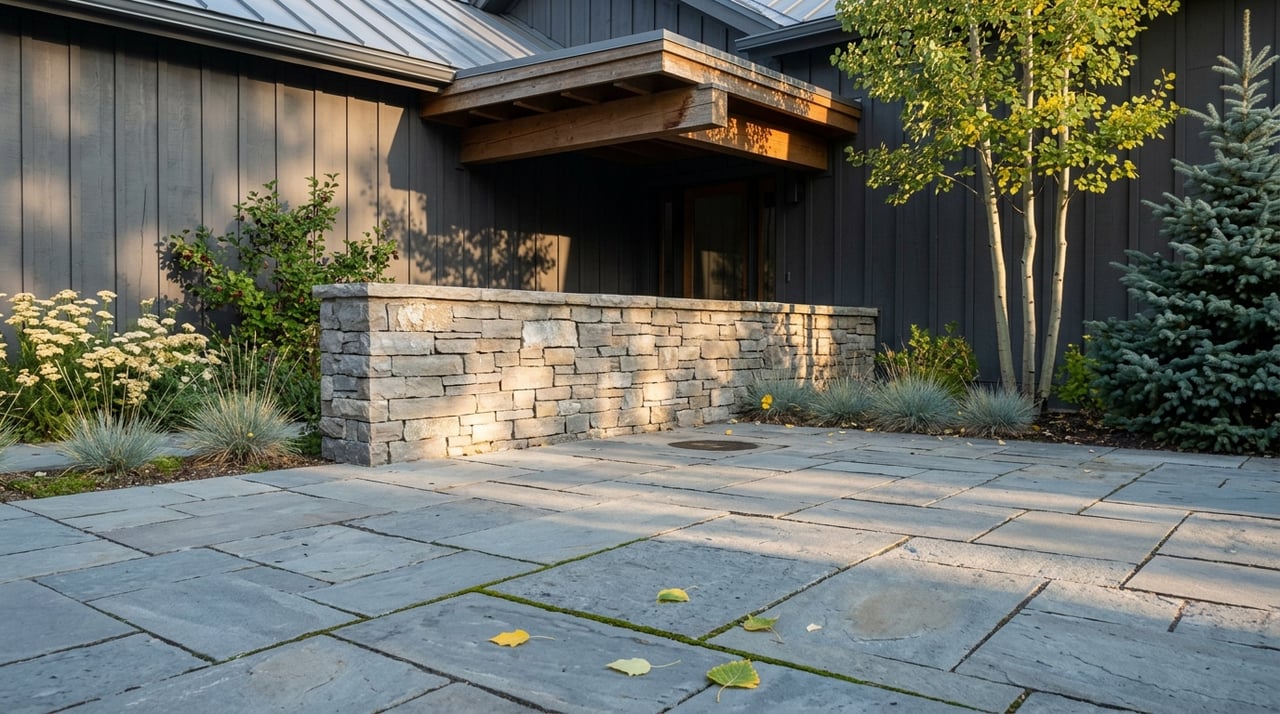
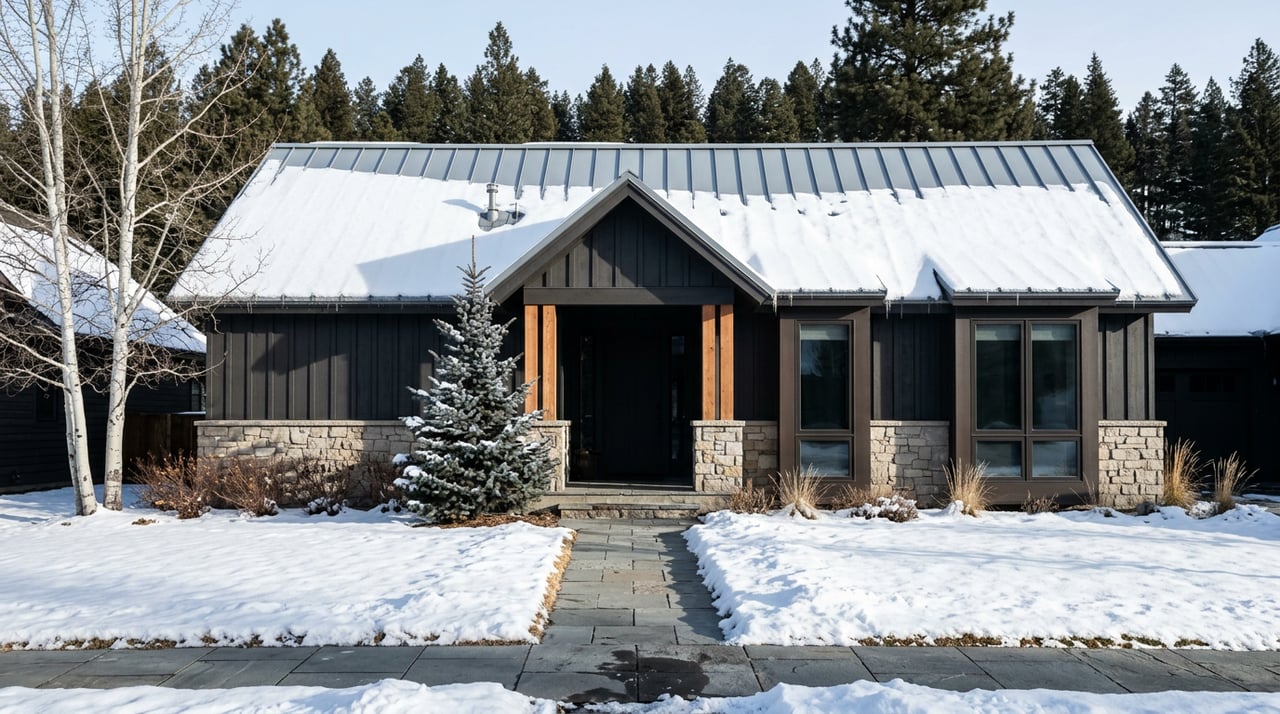
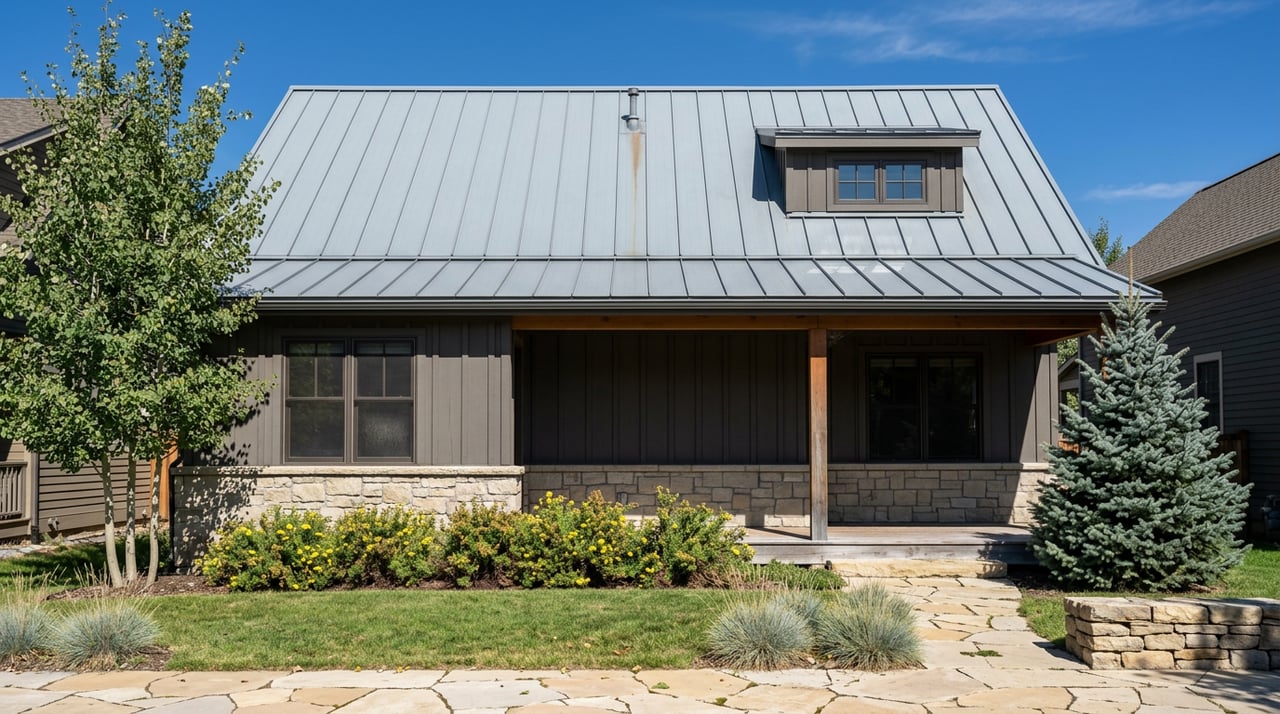


These single-family residences are situated on anywhere from 0.14 to 0.43 acres.


If you are looking for a dedicated broker who will not only put your needs first but will work hard to exceed your every expectation, give Krystal a call. She and her unmatched team of professionals are eager to show you that there is no better choice in Summit County to buy or sell your home.